
Polk County Municipal Court Warrants
Minnesota keeps city cases in District Court. That single structure governs every ordinance citation in Polk County. The state's court information material places violations of city ordinances within District Court jurisdiction, and the Polk County court page describes original jurisdiction over criminal and traffic cases filed in the county. So a city citation never stops at a city counter. Filing creates or links to a District Court case. Miss a step, and the court acts. A warrant can be part of that response. Polk County has no municipal, justice, or lower court of its own, and no public warrant docket from any city. A page promising a separate Polk County city warrant search is promising something that does not exist.
Polk County City Warrants and District Court
Many states give their cities municipal courts of their own. That is why the question comes up. Minnesota does not organize itself that way in Polk County. The District Court tries criminal, traffic, and city-ordinance matters alike. So the warrant that follows a city citation is a District Court process, held by the court rather than the city. A city officer or a city attorney can be part of the citation process. The city keeps no warrant database.
Polk County Cities With Municipal Courts
The table lists Polk County's five largest cities and the local contact each one publishes. None runs its own warrant lookup. So the court column applies to every row.
| City | Local Contact | Court for City Cases |
|---|---|---|
| East Grand Forks | Police, 520 Demers Avenue, 218-773-1104 | Polk County District Court |
| Crookston | Police, 321 W Robert Street, 218-281-3111 | Polk County District Court |
| Fosston | Police, 218-435-6611, fosstonpd@fosston.com | Polk County District Court |
| Fertile | Dated city office source: 101 South Mill Street, 218-945-3136 | Polk County District Court |
| McIntosh | No current city police page located | Polk County District Court |
City populations in this list come from Polk County's 2022 newsletter table and reflect the 2020 Census.
What Cities Keep and What Courts Keep
One event, two agencies, two records. The city police department keeps the citation or incident report it wrote, along with any local parking or ordinance enforcement file. The District Court keeps the filed case, the hearing schedule, and any warrant or order. So aim each request carefully. A city request returns city data. Court questions go to Court Administration. One office cannot search the other's files, so pick the record you need before you write to anyone in Polk County. Note: a city cannot recall a court warrant, and a court clerk cannot produce a police incident report.
Checking a Municipal Court Warrant
Work from the citation outward, then verify with the court.
- Read the citation for the issuing city, citation number, and response instructions.
- Ask the issuing city police department or city office for a copy of the citation and for local routing.
- Search Minnesota Court Records Online by citation or case number once the case has been filed.
- Call Polk County Court Administration at 218-281-2332 when the record is missing or the status is unclear.
- Send county law-enforcement record requests to the Sheriff's records address rather than to a city counter.
Need the full search system? The Polk County warrant lookup page covers it, including why a name search can miss a pending case.
Polk County Municipal Warrant Contacts
Three cities publish usable police contacts in Polk County, and each one routes court questions back to the county.
East Grand Forks Police
520 Demers Avenue, East Grand Forks, MN 56721
218-773-1104
The department page links residents to the state court access route.
Crookston Police
321 W Robert Street, Crookston, MN 56716
218-281-3111
Parking tickets can be paid at the department. That is a payment point, not a warrant clearance.
Fosston Police
fosstonpd@fosston.com
218-435-6611
The city office is at 220 E First Street, 218-435-1959.
The Crookston Police Department is one example of the pattern. The city publishes its own contact block, while court records for Polk County stay with the District Court.
Inside a Municipal Court Warrant
City-ordinance cases in Polk County become District Court records.
| Case number | District Court file identifier, patterned like 00-CR-00-0000 |
|---|---|
| Issuing city | The city whose citation or ordinance started the case |
| Charge category | City ordinance, traffic, or another alleged violation |
| Filing date | When the citation reached the court and the response clock started |
| Warrant event | The court process issued after a missed obligation, when one exists |
| Later resolution | Payment, appearance, dismissal, or another order that closes the case |
The issuing city explains the paperwork; the Polk County court record explains what happened next.
Polk County Warrant Gaps by City
Two of the five city pages carry honest limits. Fertile's office contact traces to dated official sources, including a 2021 county directory and older state records. Recheck it before you travel or mail a payment. McIntosh has no current official police or court page. That is a gap in Polk County's public record, not a reason to guess a phone number. If you still hold the ticket, start with the agency that issued the citation. For everything else, District Court and the Sheriff's records route cover Polk County cases. Fertile also appears in recent state data-practices advisory opinions. Written, specific public-data requests work well here.
How to Resolve a Municipal Court Warrant
Resolution happens in the court that holds the case. The file decides the required step. You might pay a payable citation, appear on a required date, satisfy a condition, or file a motion.
Caution: A city payment counter does not clear a court warrant. Confirm the resolution with Court Administration and check that the docket shows it.
Minnesota keeps juvenile records nonpublic, so a city case involving a juvenile stays out of any public Polk County search. Minn. Stat. §260B.171 sets that boundary.
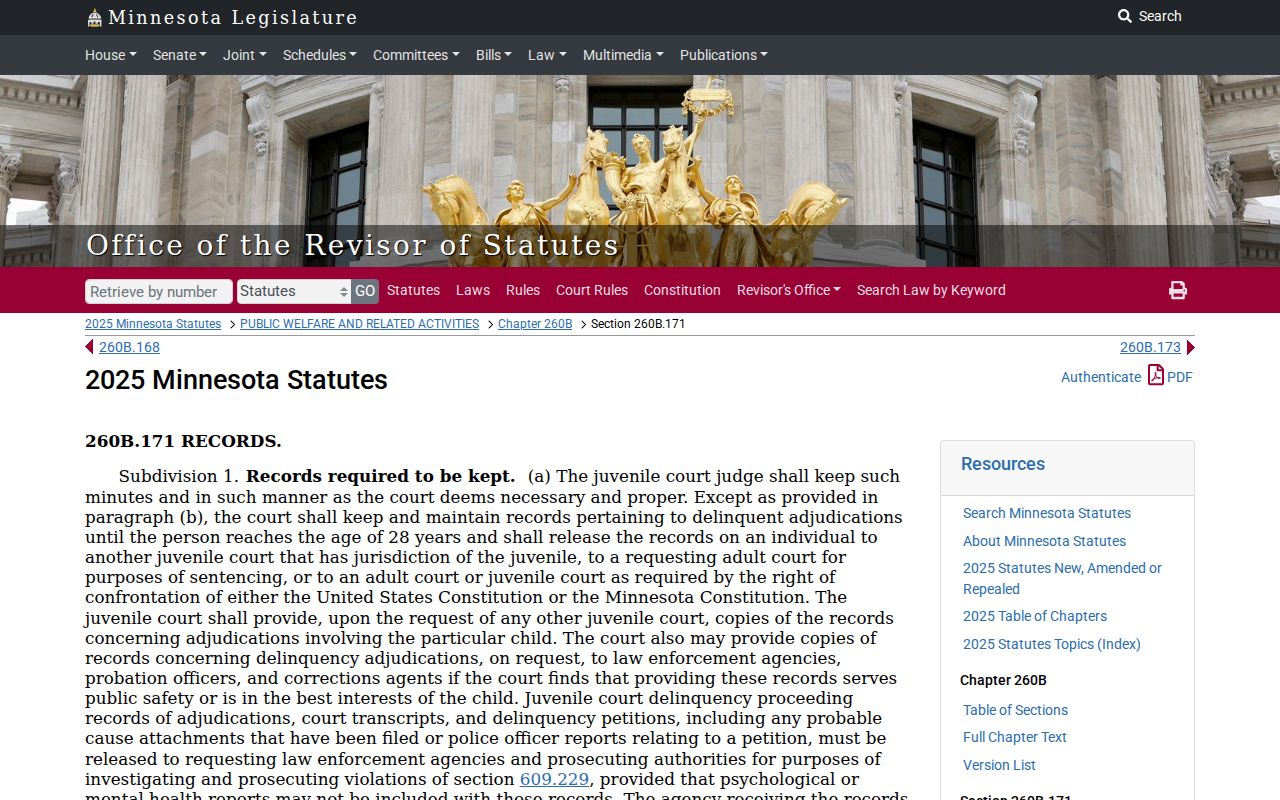
That rule has a practical edge. A missing city case in a public Polk County search says nothing about whether a court process exists.
Polk County Ordinance Warrants
The path is short and predictable. A city officer or charging authority issues the citation. Filing creates or links to a District Court case. The person then pays, responds, or schedules an appearance under the court's instructions. A missed response can bring further court action in Polk County, including a warrant, and the case stays in District Court until the court records a closing event. The Polk County most wanted list page explains why a curated public list is not the same as a case record, a useful distinction once a city citation turns into a court matter. That distinction matters here.